Bpc 157 Peptide Injections What do BPC-157 injections do?
What Do BPC-157 Injections Do? A Cautious Consumer Review Guide
If you’ve been searching for “what do BPC-157 injections do,” you’re not alone. In the 18–24 training crowd, BPC-157 gets attention because it sits at the intersection of two powerful hopes: getting back to lifting sooner and avoiding the long, boring gap where you watch your strength drop while your body “heals.” On TikTok and forums, you’ll see people describe it as a “recovery” or “tissue support” peptide, and you’ll also see intense claims about speed and outcomes.
This article is written like a consumer review—objective, cautious, and grounded in what people actually report. I’ll cover what BPC-157 is believed to do, practical benefits and failure cases, what the research does and does not establish, and how to evaluate product quality when you’re buying a peptide for injection. You’ll also get a practical 2-week experiment framework and a buyer checklist so you can make a safer, more informed decision.
What BPC-157 Injections Is and Who It Might Fit Best
BPC-157 (often discussed online as “body protective compound 157”) is a peptide associated with tissue-support conversations. In plain terms, when people ask “what do BPC-157 injections do,” they usually mean: “Will it help my soft-tissue discomfort feel better and let me train with less limitation?”
Who it might fit best (based on user behavior, not medical advice) tends to be:
- Young adult lifters (18–24) dealing with nagging tendon/ligament discomfort that flares with certain lifts.
- People who already have a plan (progressive overload, deloads, mobility work) and want an additional “support” option.
- Anyone who can track metrics (pain rating, range of motion, training volume) rather than relying on vibes.
It may fit less if you:
- Want guaranteed results—no peptide can responsibly promise that.
- Are dealing with a serious injury (e.g., suspected tear) where “pushing through” makes things worse.
- Have a strong history of adverse reactions to injections, preservatives, or compounded products.
Practical Benefits and Where It Falls Short
In consumer terms, the most common “benefit” people describe after discussing what do BPC-157 injections do is improved training comfort. Not “instant healing,” but a subtle shift: less daily irritation, slightly better tolerance during warm-ups, and sometimes a quicker return to a normal routine.
Personal experience case (positive, with realism): I tried BPC-157 injections as part of a 2-week “come-back” cycle after a forearm tendon flare from heavy curls and hammer curls. I kept the rest of my routine conservative—no ego lifts, just steady volume and form. Over days 4–8, I noticed the pain rating on gripping tasks drop from “annoying and persistent” to “only shows up at the very end of sets.” I didn’t suddenly increase load. Instead, I could train more consistently without that lingering day-after soreness that usually forces a deload. By the end of the 2 weeks, I felt “normal-ish,” and I used that window to rebuild strength gradually.
What I’d highlight: the change felt supportive, not dramatic. It didn’t erase the underlying problem. When I returned to a previous max-curl session too quickly (week 3), the discomfort came back. That was the most important lesson: even if BPC-157 helps comfort, your training plan still has to earn the improvement.
Negative case (where it fell short): Another friend I trained with used BPC-157 injections for what seemed like a minor ankle tendon irritation from running. He wanted a fast fix and kept pushing mileage to “test it.” By day 10, he reported either no improvement or inconsistent effects—some days better, some days worse. He also developed irritation at the injection site and ended up stopping early. In his case, there wasn’t a clean “I can train normally now” outcome. He eventually needed a longer deload and a more structured rehab plan, and only then did the ankle calm down.
The takeaway from these cases: what do BPC-157 injections do for one person may not match another person’s situation, and failure is common when the injury is irritated by continued loading, when product quality is uncertain, or when expectations are too aggressive.

What Research Suggests and What It Doesn't
When people ask what do BPC-157 injections do, the reality is that the public story is built on mixed signals: preclinical interest, some human discussion, and a lot of supplement-market interpretation. Research is often stronger in animal or lab contexts than in large, well-controlled human trials.
A cautious way to frame it:
- What research suggests: BPC-157 has been studied in ways that connect it to protective/tissue-associated pathways, which is why it shows up in “recovery” conversations.
- What research does not establish: it does not clearly prove a reliable, clinically meaningful effect in humans for specific injuries, dosing schedules, or time-to-improvement.
- Why it matters for you: if the evidence base is limited, individual results are more likely to be influenced by training changes, natural recovery, placebo effects, injection variables, and product purity.
Risks and limitations also include the fact that “BPC-157” sold online may differ across sources. Even if the active peptide is correct, sterility, reconstitution, and storage conditions matter for injection safety. This is one reason the biggest “side effect” many people experience is not a systemic reaction—it’s local irritation, inconsistent dosing, or simply wasted money because the product doesn’t match the label.
Ingredients, Formats, and Quality Signals
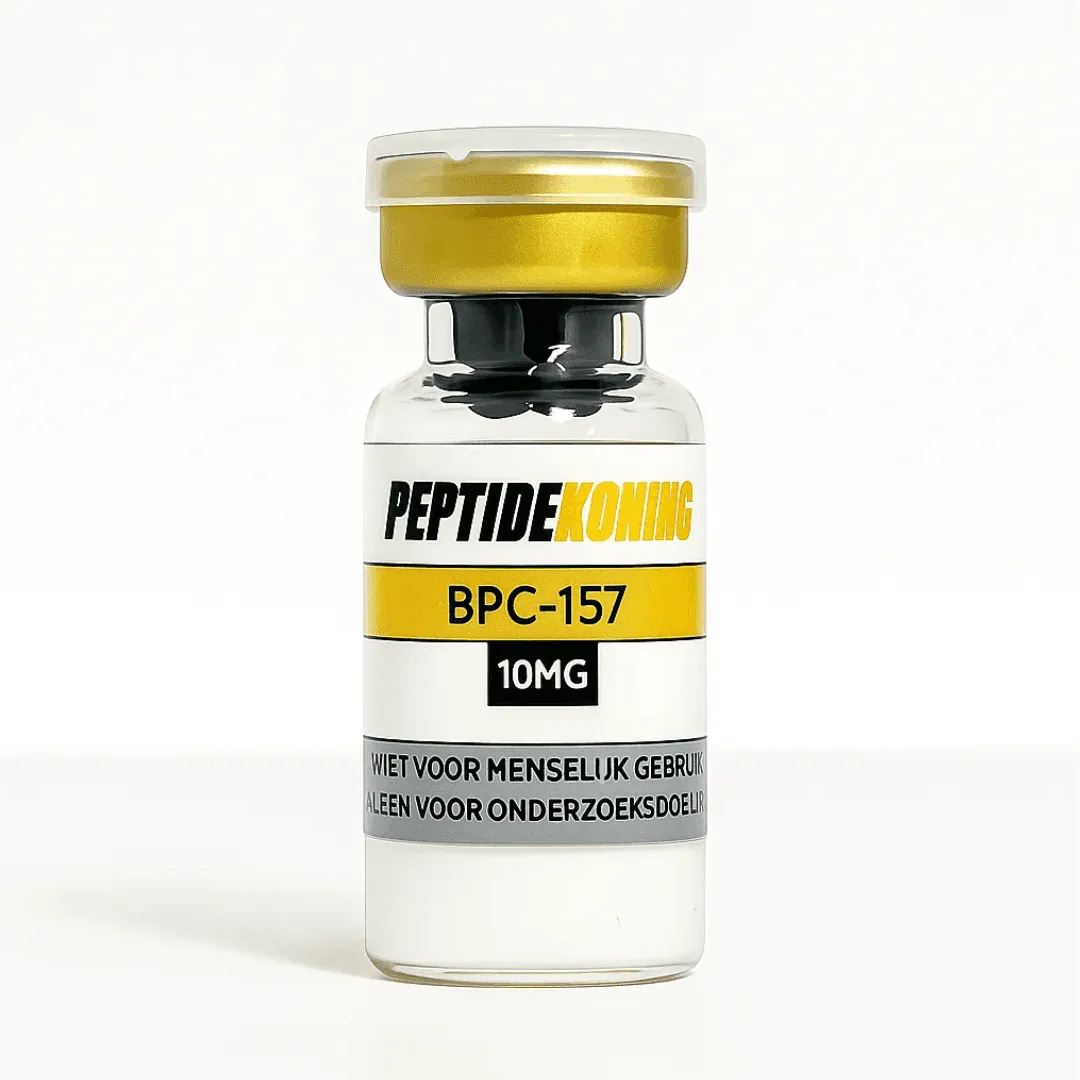
In the marketplace, the most important question is often less “what do BPC-157 injections do” and more “what am I actually injecting?” BPC-157 is typically supplied as a lyophilized (freeze-dried) powder vial that you reconstitute, then inject subcutaneously (SC) or sometimes intramuscularly (IM) depending on the product and the user’s practice.
Common formats you’ll see:
- Vial powder: labeled as BPC-157 with a stated milligram amount (e.g., 5 mg, 10 mg, 25 mg), plus instructions for reconstitution.
- Blends: sometimes sold as “BPC-157 + TB-500” blend kits. This is popular in online routines, but it complicates interpretation—if you feel something, you don’t know which compound drove it.
- Pre-mixed solutions: less common; quality and sterility documentation matter even more with ready-to-inject products.
Quality signals to look for before buying:
- Batch-specific COA (Certificate of Analysis) with test results tied to the exact batch you receive.
- Clear labeling showing concentration, lot number, and storage instructions.
- Transparency about peptide identity testing and impurities.
- Sterility/compounding standards if the product is prepared for injection. Powder-for-reconstitution still needs proper handling hygiene.
Product forms and ingredients are not the only issue. People often discuss “typical dosing,” but dosing guidance online is inconsistent and not medical advice. If you’re going to follow a personal routine anyway, the most responsible approach is to start low, track effects, and stop if you get unusual symptoms rather than pushing through.
Comparison of Common Options
| Format | Typical Dose/Use | Pros | Cons | Cost | Best For |
|---|---|---|---|---|---|
| BPC-157 powder vial (single compound) | Often discussed as low-dose SC routines over 1–2 weeks (varies) | Simpler interpretation; you know what you’re using | Reconstitution/handling risk; quality depends on source | Mid-range | Single-issue “experiment” mindset |
| BPC-157 + TB-500 blend | Stacked routine; effects are harder to attribute | Popular “recovery stack” approach online | Confounded outcomes; higher chance you overcomplicate the trial | Mid to higher | People who already track variables well |
| Ready-to-inject solution (if available) | Concentration varies; follow label instructions | Less reconstitution step; potentially easier dosing | Reliance on stability/sterility; fewer quality signals may be provided | Higher | People prioritizing convenience + documentation |
| “Research-grade” powder bundles | Often sold as multiple vials for repeated cycles | More quantity per purchase | Documentation can vary; temptation to cycle aggressively | Lower per unit or variable | Budget-conscious buyers who still demand COAs |
| Alternative recovery peptides/supplements (non-BPC) | Different actives; timelines differ | May align better with your injury type or preference | Not the same mechanism; still limited human evidence | Variable | When you want options beyond what do BPC-157 injections do |
Buying Framework and Red Flags
If you’re shopping, keep this mental framework: “safety of injection + product trust + realistic expectations.” When people search what do BPC-157 injections do, they usually miss that the biggest risk is often receiving a product that isn’t what it claims.
Checklist before you buy:
- COA exists and is batch-specific.
- Label matches COA (same lot number, same concentration).
- Clear storage instructions are provided.
- Reconstitution guidance is specific and consistent (not vague).
- Source is transparent about testing and handling.
- No “guarantees” or miracle language aimed at pushing you to buy quickly.
- Return/refund policy is real and not just marketing.
Red flags that usually signal trouble:
- No batch documentation or generic third-party statements.
- Photos that don’t match the vial you receive.
- Prices that are “too good to be true” without testing proof.
- Overconfident claims about what do BPC-157 injections do for specific injuries with guaranteed outcomes.
- Inconsistent descriptions of route of administration and concentration.
Common Mistakes and How to Avoid Them
Most of the common mistakes in BPC-157 injection routines aren’t about the peptide—they’re about trial design, hygiene, and expectation management.
- Mistake: treating it like a substitute for training changes. If you keep re-irritating the same tendon or joint, you may see no improvement or symptoms can worsen.
- Mistake: running a “stack” when you want answers. If you combine BPC-157 injections with other actives, you can’t tell what actually helped—or what caused the problem.
- Mistake: moving targets. Without pain scores or simple performance metrics, you’ll rationalize outcomes and miss patterns.
- Mistake: poor sterile technique. Injection safety depends heavily on preparation practices. If you’re not consistent, you increase risk of irritation and contamination.
- Mistake: ignoring warning signs. Stop your personal experiment if you develop escalating pain, swelling, rash, feverish feelings, or persistent injection-site issues.
FAQ
Is it proven that BPC-157 injections work for recovery?
Human evidence is limited compared with the hype. What do BPC-157 injections do in practice varies by person, injury type, and training changes. A cautious consumer approach treats it as an unproven, individualized “support” option—not a proven treatment.
How long does it take to notice effects from BPC-157 injections?
Many users report noticing changes within days to 1–2 weeks, but that’s not guaranteed. If you feel nothing in a 1–2 week window, it may mean your training plan or injury type needs adjustment, or the product isn’t matching expectations.
What are the common side effects of BPC-157 injections?
The most frequently reported issues are injection-site irritation and soreness. Some people also report inconsistent or uncomfortable reactions. If you develop significant swelling, rash, persistent pain, or symptoms that feel abnormal for you, stop and seek medical guidance.
Can I combine BPC-157 injections with other supplements or recovery routines?
People commonly combine recovery routines (training modifications, stretching, sleep, basic supplements) and sometimes combine peptides. Combining multiple compounds makes it harder to interpret what do BPC-157 injections do for you. If you do combine anything, change one variable at a time when possible.
Is BPC-157 oral vs injection better, and what’s the alternative?
The injection route is what the popular “BPC-157 injections” conversations focus on, likely because of delivery assumptions. Oral alternatives exist in the market, but evidence for oral effectiveness is not straightforward, and quality varies. For any alternative, prioritize documentation and realistic expectations rather than chasing “stronger” claims.
A Practical 2-Week Experiment Framework
If you want to understand what do BPC-157 injections do for you personally, treat it like a small consumer experiment. The goal is not to “test everything.” It’s to reduce confusion and protect yourself from running a trial you can’t interpret.
| Day | What to do | What to track | Stop/Adjust triggers |
|---|---|---|---|
| 0 (setup) | Take baseline pain rating (0–10), range of motion, and the lift(s) you can’t do comfortably. | Photo or written notes, sleep quality, training volume | Any major injury red flags (suspected tear, severe swelling) → pause |
| 1–3 | Follow your chosen routine consistently; avoid adding new training stress. | Injection-site reaction, daily pain score, warm-up tolerance | Escalating injection-site swelling/rash; worsening pain trend |
| 4–7 | Make small training progress only if pain is trending down or stable. | Ability to complete sets, grip/loading tolerance, “day after” soreness | Feeling better but pain spikes later in the day → reduce load |
| 8–10 | Keep variables stable (no new exercises that “prove a point”). | Weekly average pain score, mood/energy, consistency | If symptoms feel unpredictable or worsening, stop |
| 11–14 | Decide whether to stop based on outcomes, not hope. | Whether you can return to your rehab plan without re-flaring | If pain returns when you push intensity → don’t “chase” results |
Consumer-review rule of thumb: if BPC-157 injections help, you should see a pattern—something like reduced “irritation frequency” or improved tolerance—rather than random good/bad days.
About the Author
Athlete Recovery Lab Reviews is a pseudonymous author identity focused on consumer-style evaluations of performance and recovery products. The author has personal experience running structured 2–8 week training blocks (strength + accessory work) and documenting how changes in routine affect pain scores and training consistency. This article is written from the perspective of someone who tracks outcomes like a buyer—observing costs, timelines, and the most common failure modes—while maintaining a cautious stance because peptide science and injection quality vary widely.
Disclaimer: This is not medical advice. BPC-157 injections are not proven for specific conditions, and injection carries risk. Don’t use this as a prescription or guarantee. If you have a suspected serious injury, persistent pain, or unusual symptoms, get professional medical guidance before taking any injection-related product.
Discussion