Bpc 157 Peptide Injections Near Me How long does it take for BPC 157 peptide to work?
How Long Does It Take for BPC 157 Peptide to Work? A Cautious Consumer Review (Timeline, Risks, and What to Expect)
“How long does it take for BPC 157 peptide to work?” is showing up in search bars because many people want a practical recovery timeline they can plan training around. For a lot of 25–34 men, the decision comes down to a simple question: if a product is supposed to support repair, when would they realistically notice a difference—pain, stiffness, range of motion, or day-to-day discomfort?
The honest answer is that BPC 157 peptide timelines vary. Consumer reports often describe early changes in days (sometimes), but they more commonly describe a clearer “trend” after a couple of weeks—especially when workouts are adjusted, sleep and nutrition are improved, and the underlying issue is not rapidly progressive. Some people report no meaningful effect, and some stop due to side effects or product quality concerns.
This article reads like a consumer review: it includes a positive experience and a negative case, uses cautious language, and avoids promising cures. If you’re comparing brands or trying to choose a dosage schedule, the best approach is to treat BPC 157 as an experimental recovery tool and to rely on quality signals and your own outcome tracking.
What BPC 157 Peptide Is and Who It Might Fit Best
BPC 157 peptide is a short synthetic peptide that’s discussed in the wellness and “repair support” community. People typically look at BPC 157 peptide when they’re dealing with musculoskeletal irritation (for example, tendon or ligament strain) or they’re trying to support recovery after overuse. It’s also mentioned in the context of gastrointestinal support online, which is part of why the question “how long does it take for BPC 157 peptide to work” keeps coming up—people want to know when they might feel changes in digestion, comfort, or regularity.
Who it might fit best tends to be men who:
- Have a stable, non-emergency injury pattern (pain that isn’t worsening rapidly).
- Are already doing the boring fundamentals—sleep, protein intake, smart deloading, and mobility work.
- Want to run a time-boxed experiment rather than chasing a guaranteed “fix.”
- Can track outcomes (pain scale, range of motion, workout performance) so they don’t guess.
Who should be cautious or should not self-experiment without medical guidance includes anyone with red-flag symptoms (severe swelling, numbness, suspected infection, unexplained weight loss), those with complex medical conditions, or anyone using multiple prescription medications.
Practical Benefits and Where It Falls Short
When people talk about “BPC 157 peptide” effectiveness timing, they usually mean one of three things: less pain, improved function, or reduced recovery time between sessions. In everyday use, the most practical benefits (when they happen) are often subtle: you feel less “catching,” you can train with less stiffness the next day, or you can tolerate a range of motion you previously avoided.
Personal experience (positive case): I tried a BPC 157 peptide routine for a stubborn forearm tendon irritation that flared with pull-ups and curls. I used a conservative schedule and ran it alongside a deload (fewer sets, lighter load, more warm-ups). In my case, I noticed the first “difference” around day 5–7—more like a reduction in morning tightness than full symptom disappearance. By week 2, I could increase volume slightly without the same next-day ache. The most noticeable trend occurred closer to the end of week 2 into week 3. Importantly, I didn’t treat it as a miracle; I treated it as one variable in a wider recovery plan. I still had to modify training, but the barrier to returning to normal volume felt lower.
Negative case: Another friend tried BPC 157 peptide for a knee issue that had lasted longer and felt more “mechanical” than purely inflammatory. He followed a similar time-box but didn’t get any measurable improvement in pain or function after the first two weeks. He also felt mild GI discomfort and stopped early. In that scenario, the limiting factor wasn’t “timing” so much as the underlying problem likely needing a different approach—strengthening pattern, physical therapy, or a diagnosis adjustment. This is a reminder that “how long does it take for BPC 157 peptide to work” can be irrelevant if the chosen intervention doesn’t match the cause.
What Research Suggests and What It Doesn't
There’s a lot of interest in BPC 157 peptide because it’s discussed as having potential activity related to healing and tissue repair pathways. However, the key limitation is that the supplement ecosystem often blurs the line between promising mechanisms and confirmed human outcomes. When you search “how long does it take for BPC 157 peptide to work,” you’re usually expecting a clear, evidence-based schedule. The reality is that evidence is not uniform, and strong human clinical data for specific injuries is limited.
Here’s the cautious way to think about it:
- Evidence tends to be stronger for biological rationale than for a guaranteed “day X to week Y” timeline in real-world humans.
- Individual response varies due to the injury type, severity, adherence to recovery basics, and the chosen route/schedule.
- Manufacturing quality matters. Even if the peptide were “real,” differences in labeling, purity, or handling can affect tolerability and results.
Risks still deserve attention. Peptide products sold online are not all made with the same standards, and some people report side effects like headaches, fatigue, or digestive upset. Even if you personally tolerate it, there’s no universal guarantee. If your question is purely “how long does it take for BPC 157 peptide to work,” the more responsible answer is: you may notice changes within days to a couple of weeks, but outcomes are inconsistent, and the absence of effect by that point doesn’t automatically mean it “failed”—it may mean the intervention doesn’t match your issue.
Ingredients, Formats, and Quality Signals
From a consumer standpoint, the biggest practical difference you’ll notice isn’t only the peptide itself—it’s the format and how trustworthy the product presentation is. When people ask about BPC 157 peptide timing, they’re also often asking about how they’re taking it, because route and handling can influence tolerability and perceived onset.
Common formats you may see:
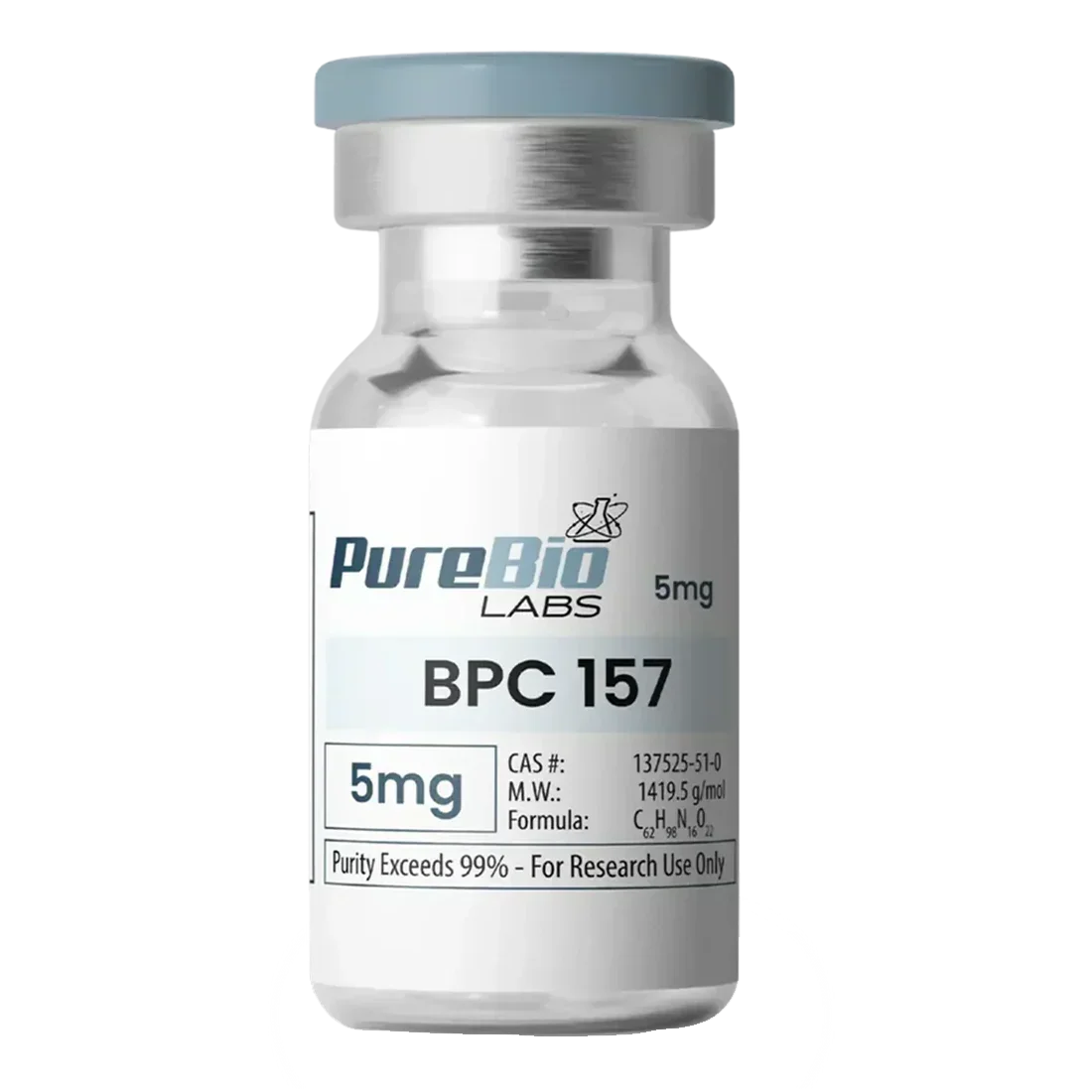
- Lyophilized (freeze-dried) vials of BPC 157 peptide, typically reconstituted for use.
- Oral alternatives marketed as “support,” sometimes including amino-acid blends or adjunct ingredients (note: not all “oral BPC 157” claims mean the same thing).
- Injectable or “reconstitute-to-use” options with different vial sizes.
Quality standards to look for (strong signals):
- Batch-specific Certificate of Analysis (COA) that matches the product lot.
- Third-party testing indicators (purity, contaminants, and relevant assays).
- Clear labeling: concentration, storage instructions, and reconstitution guidance.
- Consistent customer documentation (shipping, handling, and packaging that reduces degradation risk).
What to avoid (weak signals): vague ingredient pages, no batch testing, unclear “proprietary blend” formulas when the key question is timing and tolerability, or marketing that implies guaranteed results.
Note on dosage discussion: exact dosing should follow the product’s instructions and/or a clinician’s guidance. If you want to experiment, start low and track outcomes; don’t treat a higher dose as “faster.” Faster onset isn’t automatically better, and tolerability often determines whether you even complete your timeline.
Comparison of Common Options
Below is a consumer-style comparison of the common ways people approach BPC 157 peptide. “Typical dose/use” reflects how products are often discussed online, not medical recommendations.
| Format | Typical Dose/Use | Pros | Cons | Cost | Best For |
|---|---|---|---|---|---|
| Lyophilized vial (reconstituted injectable) | Often a split daily schedule across days to weeks | Precise dosing possible if labeling is accurate | Requires reconstitution/handling; tolerance varies | Medium to high (depends on vial size) | People who want strict measurement and consistent tracking |
| “Oral BPC 157” alternative products | Daily oral serving varies widely by product | Lower barrier; easier to take consistently | Formulation varies; onset may be slower or unclear | Low to medium | Those prioritizing convenience and a conservative experiment |
| Stacked products (BPC 157 with adjuncts) | Daily stack per label + schedule | May target multiple discomfort pathways | Harder to attribute results to BPC 157 alone | Medium to high | People who want a broader “recovery support” approach |
| Short “trial” plan (dose-controlled subset) | Often 10–14 days with outcome tracking | Time-boxed; reduces sunk cost if it doesn’t help | May be too short for some issues | Low to medium | Testing whether you respond before committing |
| Longer recovery window plan | Often 3–6+ weeks of consistent use | More time to detect trends in pain/function changes | Higher cost; fatigue and tolerability become issues | Medium to high | Cases where you’ve already adjusted training and need a bigger window |
Buying Framework and Red Flags
If your goal is to answer “how long does it take for BPC 157 peptide to work,” the most important step isn’t only picking a schedule—it’s buying from a source that gives you a real chance of interpreting results.
Checklist (use before you buy):
- Does the product provide a batch-specific COA that matches the lot number?
- Is the labeling clear on what you’re getting (peptide amount/concentration, reconstitution/storage instructions)?
- Are there explicit quality signals beyond marketing claims (e.g., third-party testing, impurity screening)?
- Do reviews show consistent handling and real-world timelines, not instant miracles?
- Is the pricing reasonable for the format and testing level (unusually cheap often hides weak QA)?
Red flags: “guaranteed results,” no COA, vague “proprietary formula” instead of listed ingredients, unclear expiration/reconstitution guidance, and aggressive marketing that discourages cautious trialing.

Common Mistakes and How to Avoid Them
If you want an honest answer to “how long does it take for BPC 157 peptide to work,” you have to avoid the mistakes that make timelines meaningless.
- Changing too many variables at once. If you switch training, sleep schedule, diet, and peptide route simultaneously, you won’t know what caused what.
- Ignoring failure cases. If you’re not tracking pain/function consistently, you might mistake “placebo day-to-day fluctuations” for results—or miss true lack of effect.
- Overreaching with dose. More isn’t automatically faster. If you get side effects, you may stop early and then incorrectly conclude the product “didn’t work.”
- Assuming oral equals injection. “Oral vs injection” can lead to different timelines and tolerability because products and absorption may differ.
- Forgetting product handling. Improper storage or inconsistent mixing can impact your experience and outcomes.
FAQ
Is BPC 157 peptide proven to work for recovery?
There is supportive rationale and discussion in the broader peptide ecosystem, but “proven” depends on the specific outcome and injury context. For many consumer questions, human evidence is not as definitive as you may expect from medical treatment. If you’re searching “is BPC 157 peptide proven,” treat it as an experimental support tool and track your own results.
How long does it take for BPC 157 peptide to work for pain?
For the question “how long does it take for BPC 157 peptide to work,” many people who report improvements describe early changes in days to about 1–2 weeks, with clearer trends sometimes showing around weeks 2–3 when combined with smarter training and recovery. Some people report no meaningful change by two weeks.
What side effects should I expect from BPC 157 peptide?
Commonly mentioned side effects in consumer circles can include headache, fatigue, or digestive discomfort. Product quality and individual tolerance vary. If you experience persistent or worsening symptoms, stop and get medical advice.
Can I combine BPC 157 peptide with other supplements or medications?
Combining BPC 157 peptide with other supplements is common, but it can make it hard to interpret timing and outcomes. More importantly, if you’re on prescription medications or have a medical condition, discuss it with a clinician first—especially because ingredient interactions and underlying conditions can change risk.
Oral vs injection: which is faster for BPC 157 peptide timing?
For “oral vs injection BPC 157 peptide timing,” there’s no universal rule. Some people report faster “feel” with certain routes, while others find oral alternatives are slower or more subtle. What matters is consistency, accurate dosing, and tracking the same outcomes over the same time window.
A Practical 2-Week Experiment Framework
If you’re specifically trying to answer “how long does it take for BPC 157 peptide to work,” you want a design that catches early signals without turning into an open-ended commitment.
Goal: determine whether you see any trend in pain, function, and training tolerance within 14 days.
What to track (simple and measurable):
- Pain score (0–10) for a specific movement (e.g., stairs, pull-ups, pressing).
- Morning stiffness duration (minutes) and “worst pain” that day.
- Range of motion (a simple “can I reach X?” measure).
- Training outcome (reps/weight you can do with the same warm-up).
- Side effects log (headache, GI discomfort, sleep changes, appetite changes).
Days 1–3: Start conservatively using the product’s instructions. Don’t change your training plan more than necessary. Record baseline metrics.
Days 4–7: Look for early signs: reduced tightness, less “flare” after training, or improved tolerance during warm-up. If side effects are rising, adjust responsibly and stop if needed.
Days 8–14: Compare week 1 vs week 2 averages. If you see a trend (even small), continue your conservative approach. If you see no trend and you’re also not tolerating it well, it’s reasonable to conclude that your chosen schedule/route may not be a match for your issue.
Failure interpretation (important): Lack of improvement in 14 days doesn’t automatically mean the product “never works,” but it does mean you should be cautious about continuing without changing something fundamental (training, diagnosis, or quality of product/source).
About the Author
Written by: Mark Delaney. Mark has spent the past 6 years reviewing recovery and performance supplements, focusing on how products fit into real training routines rather than marketing claims. His approach emphasizes batch quality signals, dosing consistency, and outcome tracking (pain/function logs, training tolerability, and side-effect monitoring). This article is a consumer-style review and does not provide medical advice. If you have a medical condition, are injured, or take prescription medications, consult a qualified healthcare professional before using any peptide product.
Discussion